Hybrid
System Solutions
What is a Hybrid Water Heating System?
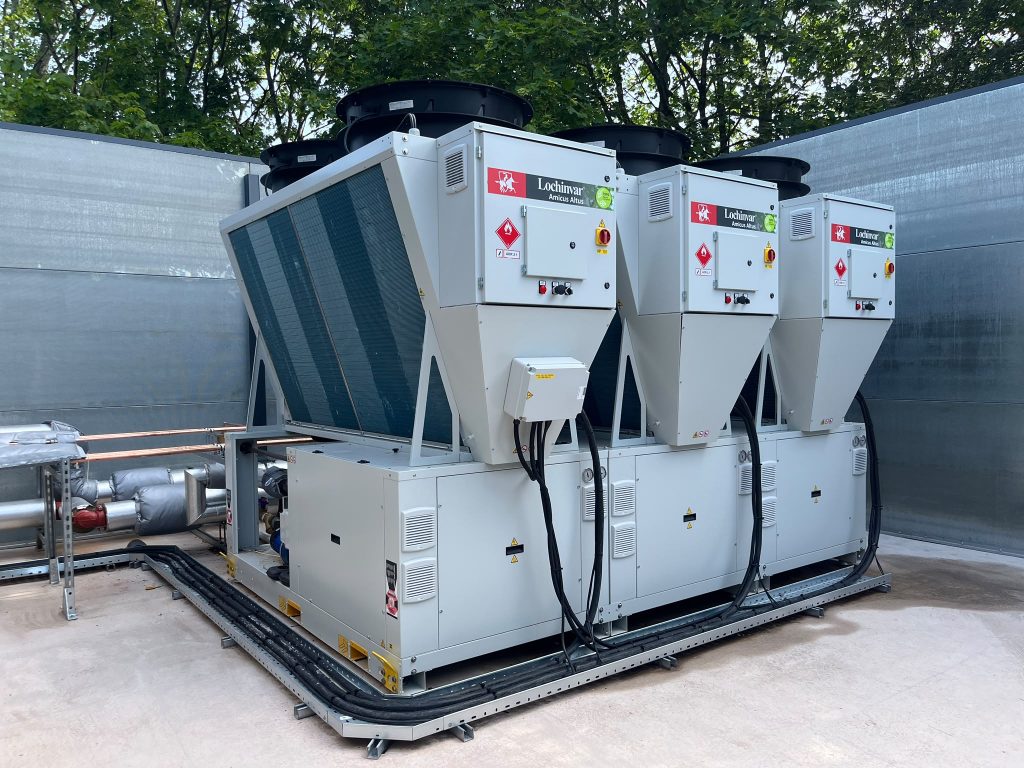
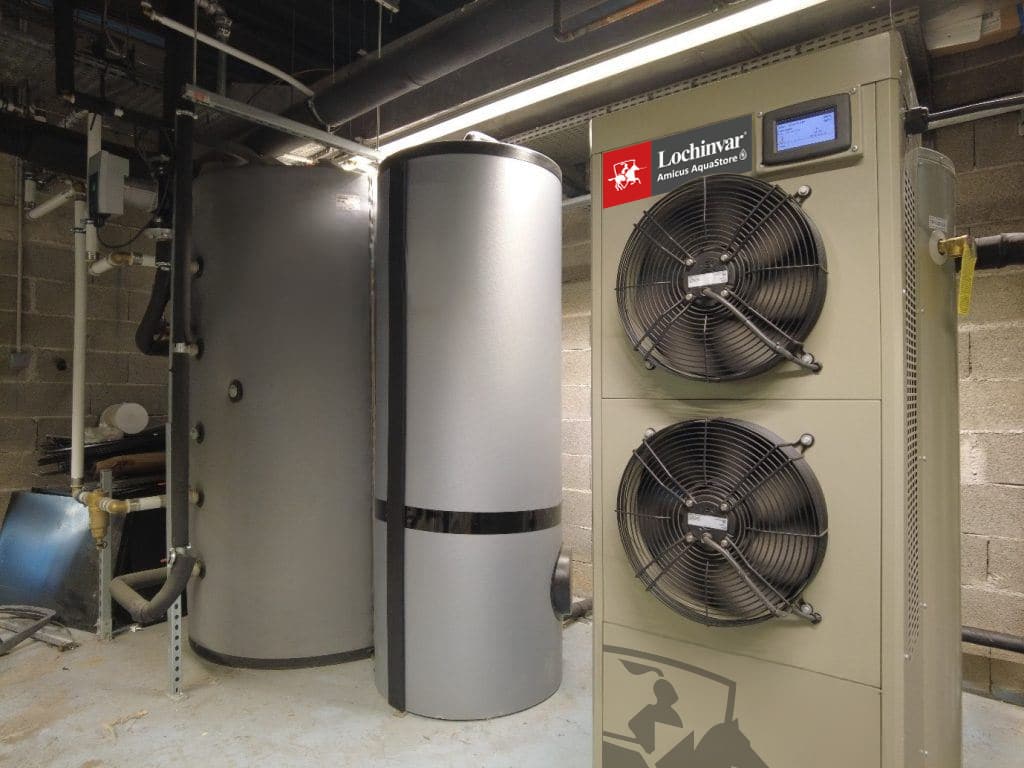
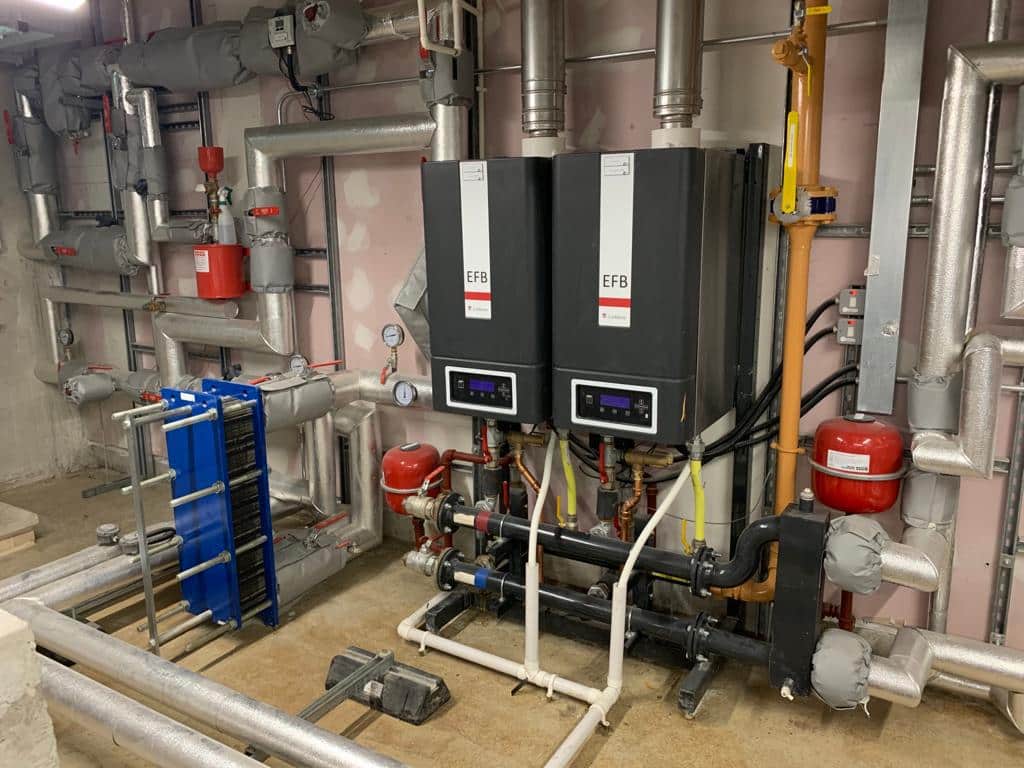
A hybrid heating or hot water system combines multiple heat generation technologies to operate together as one integrated solution. In most commercial and industrial applications, heat pumps are used to deliver efficient low carbon heat for the majority of annual demand. High efficiency gas fired boilers or water heaters are then incorporated to provide additional capacity during periods of peak load, extreme weather, or where high temperature delivery and fast recovery are required.
By using intelligent controls to coordinate operation, each technology is used only where it performs best. This allows the system to optimise efficiency, maintain reliable performance, and reduce overall carbon emissions when compared with traditional gas only plant rooms.
Why Hybrid Makes Sense
Many commercial buildings face practical challenges when transitioning to fully electric heating and hot water systems. These can include high upfront capital costs, limited electrical capacity, existing heat emitters designed for higher temperatures, or operational requirements that demand guaranteed performance in all weather conditions. Hybrid systems address these challenges by balancing sustainability ambitions with engineering and financial realities.
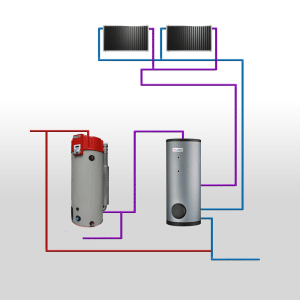
By combining electric solutions such as heat pumps, solar thermal or electric water heaters with proven gas fired technology, hybrid systems enable meaningful carbon reduction without increasing risk or disruption. They are particularly effective for retrofit projects, phased upgrades, and buildings with variable or high hot water demand where a single technology solution may not be appropriate or cost effective.
Benefits of Hybrid Systems

Load-led design
Heat pumps cover the majority of annual demand where they are most efficient.

Peak resilience
Gas plant protects occupants, business continuity and DHW recovery during extreme conditions.

CAPEX realism
A measurable carbon saving without a full plant room rebuild.

Future-ready
Gas plant can later be reduced, replaced, or converted.
Typical Hybrid Applications
Learn more about typical applications for hybrid systems. The schematics shown are for illustration purposes and do not show all configurations and applications available as the end system is dependent on the system requirements and specific design.
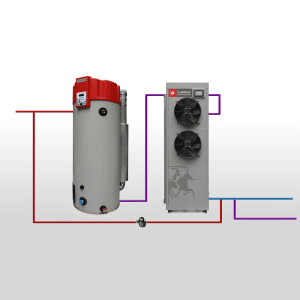
Electric Pre-Heat / Gas Top-Up
Use of electric equipment to pre-heat water for heating and/or DHW and then use gas-fired equipment to raise temperature to desired point. This delivers better system efficiency, delivers more hot water and is capable of delivering higher temperatures than that of electric equipment alone.
Electric System / Gas Back-Up
Relying of electric system for primary water heating for use in heating and/or DHW. Using gas-fired system as a back up, which could be in isolated moments of peak demand or when external temperatures prevent heat pump systems delivering maximum efficiency such as during the winter months. Gas back-up also provides a failsafe system for when the primary electric system needs maintenance or in the event of a failure.

Hybrid Refurbishments Using Existing Gas Plant
When delivering a refurbishment to an existing plant room. If the existing gas fired equipment is still in good working order, it might be deemed effective to add electric units to the existing system as a way of moving towards decarbonisation whilst still making use of the legacy plant. This type of application can use the gas plant either as a back-up or top-up.
Sector Specific Considerations
Agriculture
Agricultural locations rely heavily on hot water for operational purposes, the absence of hot water for cleaning, hygiene, food processing, crop production and frost protection has a significant impact. Hot water is essential to keeping operations running smoothly and hybrid solutions offer a pragmatic approach to decarbonisation whilst offering resilience.
Hotels
If hot water was unavailable to a hotel, the costs incurred through refunds and inability to offer rooms would be considerable. This is why hybrid systems can offer reassurance that fallback systems are in place in the event of external temperatures being too for maximum efficiency of heat pumps for example or in the event of extremely high demand.
Housing
When looking at housing projects which could include student accommodation or care homes, there are unique demands at each type of location but fundamentally a reliable supply of hot water is critical. Resident care and comfort is paramount and the inability to supply hot water could lead to significant complaints, potential costs and even lost revenues.
Industrial
Where industrial environments rely on hot water for operations such as cleaning, lack of hot water can prevent the site from running effectively which could have a significant impact on the business. Hybrid solutions provide a robust and reliable solution that delivers carbon reduction without operational risk.
Public Sector
Public sector buildings have a broad range of specific applications from schools and hospitals to military sites and more. Each has their own set of requirements and demands for hot water but all of them are critically reliant on hot water to function and any impact on the availability significantly risks the site’s potential to function correctly if at all, which is a significant risk. Hybrid solutions offer a security over the supply which, in the event of excess peak demand or unfavorable external conditions whether that’s sunlight for solar or temperature for heat pumps, and ensures continuity of the supply of hot water.
Outcomes
A properly designed hybrid system delivers measurable reductions in carbon emissions while maintaining dependable performance throughout the year. Electric solutions meet the majority of annual demand where they operate most efficiently, while gas fired plant supports the system only when conditions require it. This approach helps control capital expenditure, avoids unnecessary electrical upgrades, and protects occupant comfort.
In addition to environmental benefits, hybrid solutions provide operational resilience, improved winter reliability, and flexibility to respond to future changes in energy pricing, regulations, and building use. The outcome is a balanced system that supports both sustainability objectives and long-term operational performance.
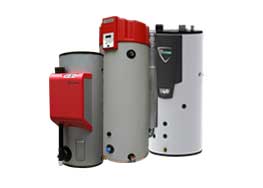
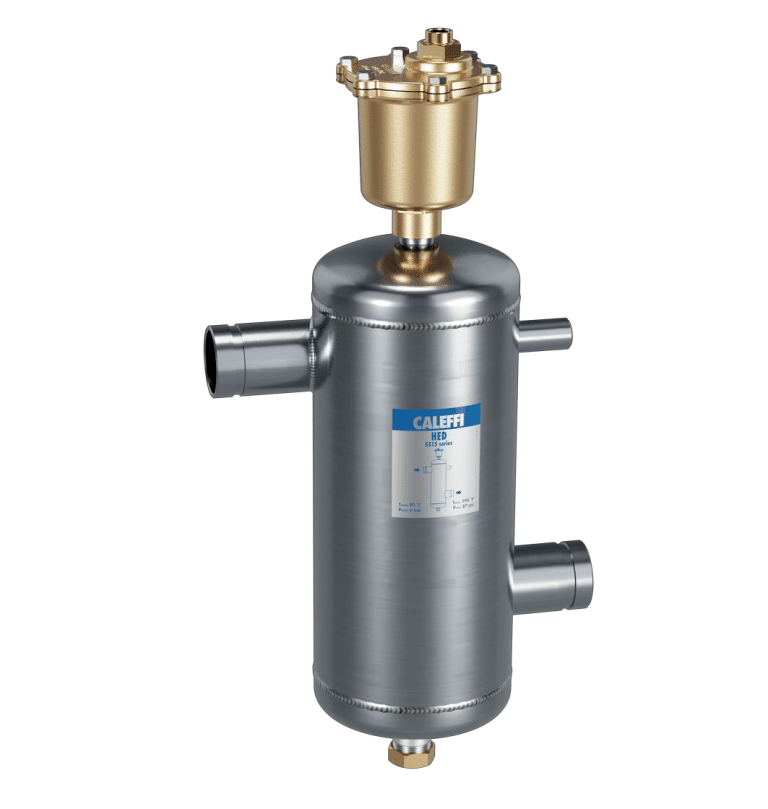
Product Ranges

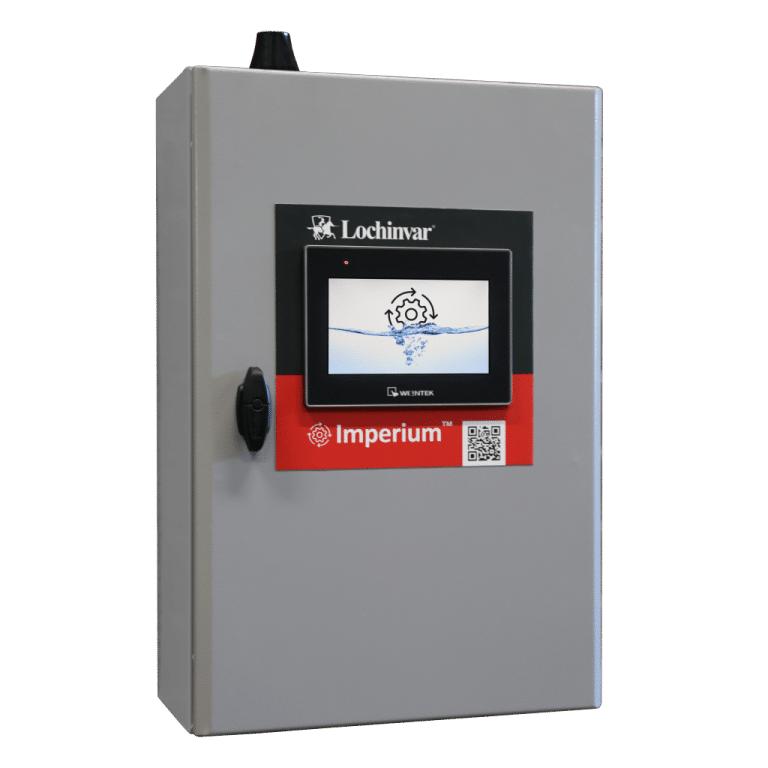
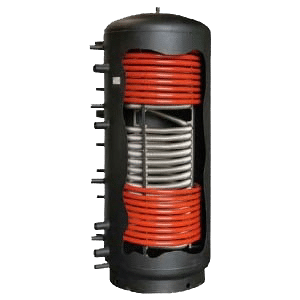
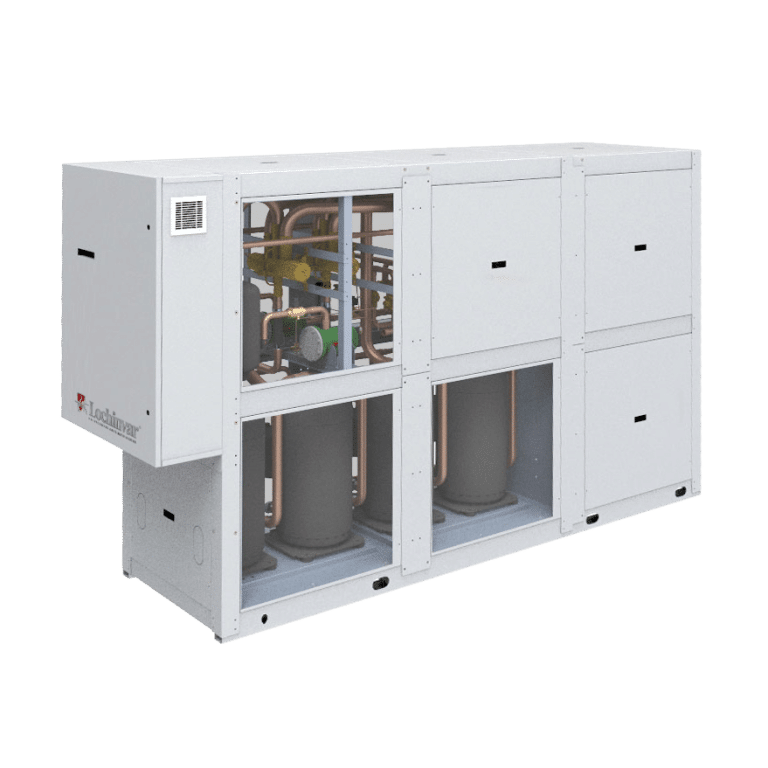
Pathway to Net Zero
Hybrid systems play an important role in the transition toward Net zero by providing a realistic and flexible decarbonisation pathway. Rather than requiring an immediate and complete change to fully electric systems, hybrid solutions allow organisations to reduce emissions now while planning for further improvements over time.
As electricity grids continue to decarbonise and building infrastructure evolves, the contribution of an electric solution within a hybrid system can increase. This means hybrid solutions are not only suitable for today’s challenges but are also ready to adapt in the future, supporting long term Net zero strategies without compromising performance or reliability today.